
Buying Guides
Insuring Your Engagement Ring in Florida: What to Know
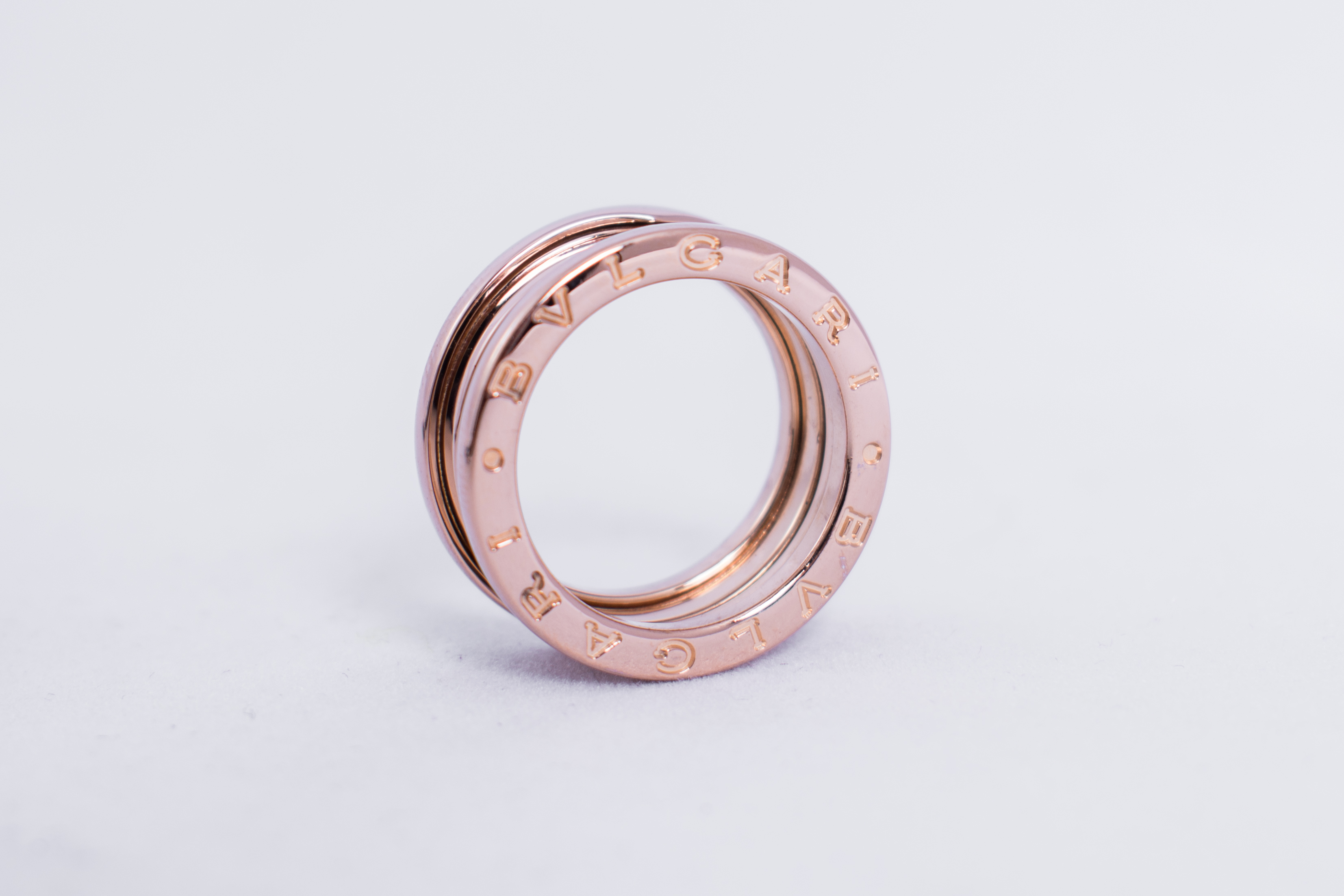
An engagement ring is usually one of the more expensive items a person owns, and unlike a car or a house it goes everywhere with you. Grocery store, beach, gym, kitchen sink. The risks are real: loss, theft, damage, and for Florida residents, the occasional hurricane displacement. This guide covers the practical aspects of insuring a ring in Florida, including what documents you need from your jeweler and how to spot a policy that will not actually pay out when you need it to.
Two basic approaches
Engagement ring insurance comes in two flavors.
A rider on your homeowner’s or renter’s policy. You call your existing insurance company, tell them you want to add the ring as “scheduled personal property,” and they add a line item for it. Your rates go up a small amount. This is the common path.
A standalone jewelry insurance policy. You buy a policy from a company that specializes in jewelry insurance (Jewelers Mutual is the best known; BriteCo, Lavalier, and others also operate). You pay the premium directly to the specialty insurer. Coverage is typically broader and claim handling is usually better for jewelry specifically.
Which is right depends on three things: the value of the ring, what your existing insurer is willing to cover, and how comfortable you are with the fine print.
The fine print that actually matters
Before you sign anything, look at four details.
What “loss” means. Some policies cover only theft. Others cover “mysterious disappearance,” which includes losing the ring down the drain, out the window, on the beach, or anywhere else you have no idea what happened. Mysterious disappearance coverage costs more but is the one that pays out when you need it most, because most lost rings are lost, not stolen.
Whether the policy replaces “like kind and quality” or pays cash. Like kind and quality means the insurer pays for a replacement ring with the same specifications (same carat, color, clarity, cut) from a jeweler of their choosing. Cash settlement means they send you a check. Like kind and quality sounds better but the insurer’s preferred jeweler may not be the one you want to work with, and “comparable” stones can differ noticeably from the original. Cash settlements give you flexibility but may not actually cover the full market value of replacing the piece at retail.
Deductibles and exclusions. A $500 deductible on a $5,000 ring is meaningful. Read what is excluded: some policies exclude damage from ordinary wear, certain activities (rock climbing, water sports), or loss while the ring is unattended in a vehicle.
Whether the coverage amount updates with market value. Diamond and metal prices change. A ring insured at 2018 values may be meaningfully under-insured in 2026. Some policies automatically adjust; others require you to request a re-appraisal and update.
What your jeweler needs to provide
Every insurer requires documentation. At minimum you will need:
- An appraisal. Written, signed, dated, and prepared within the last one to three years depending on the insurer. Insurance appraisals use retail replacement value, not fair market value or liquidation value. The appraiser should be credentialed (GIA Graduate Gemologist, AGS, or equivalent).
- Photographs. Multiple angles, ideally including any distinctive features (engraving, maker’s marks, unique setting details).
- A detailed description. Metal type and karat, stone weights, grading (cut, color, clarity, shape, dimensions), any certifications (GIA report number), and the piece’s weight.
- Original receipts if available. Not strictly required if you have an appraisal, but insurers like them.
We provide all of the above at the time of purchase for pieces bought from us. If you bought elsewhere and need documentation, we can do a standalone insurance appraisal in the store. Our GIA Graduate Gemologist handles the grading and we produce a written report you can submit directly to your insurer.
What it typically costs in Florida
Rates vary, but a rough Florida range for dedicated jewelry insurance is $1 to $2 per $100 of covered value per year. A $5,000 ring typically runs $50 to $100 per year. A $15,000 ring runs $150 to $300. Homeowner’s riders are usually slightly cheaper but with narrower coverage.
Florida’s hurricane exposure and higher theft rates in some metro areas push rates slightly above the national average, though not dramatically. The bigger driver is the ring’s value and the coverage breadth you choose.
Claim process in practice
When something happens:
- File a police report if it is theft. Do this first, before notifying the insurer. Most policies require a police report number for theft claims.
- Notify the insurer. Call within the window specified in your policy (often 30 days).
- Submit documentation. The insurer will ask for the appraisal, photos, and the police report if applicable.
- Wait for the adjuster. For straightforward losses of insured pieces, settlement usually takes a few weeks.
- Replacement or cash. Depending on the policy, the insurer either sends you to a jeweler to pick a replacement or sends a check.
For Florida-specific claims, hurricane-related losses are generally covered by specialty jewelry insurance but may have specific documentation requirements. Homeowner’s riders sometimes exclude “named storm” damage in Florida. Read the policy.
When to re-appraise
Get a fresh appraisal every five to seven years, and any time the insured value of the piece is likely to have changed meaningfully. Diamond prices and gold prices fluctuate; a ring insured at 2019 gold prices is under-insured by roughly 30% to 40% at 2026 gold prices, because the metal alone is worth more. Updating the appraisal is a small cost that prevents a bigger problem at claim time.
We can re-appraise pieces we sold as well as pieces bought elsewhere. If you have not updated your appraisal in several years, bring the piece in and we will take care of it in a single visit.
Practical tips from the shop
- Take clear, dated photos of the ring with your phone as soon as it is on your partner’s finger. Send them to yourself via email so they are time-stamped.
- Keep the original appraisal and receipts in a place you will actually find them (not a random drawer).
- Check that your existing homeowner’s or renter’s policy has not silently capped jewelry coverage at a low amount (common: $1,500 to $5,000 before a scheduled rider is required).
- If you travel internationally with the ring, verify international coverage. Some US policies exclude it.
- If the ring ever comes in for service, update your appraisal if the piece has been altered meaningfully.
Where to start
If you bought from us, we have your purchase records and we can produce an insurance-ready appraisal in a single visit. If you bought elsewhere, bring the piece and any paperwork you have. Written insurance appraisals take about thirty minutes in the store for a standard piece. The store is at 2338 U.S. Highway 19 N in Holiday, Florida. Phone (727) 491-3344.
Questions? Stop in or call.
Florida Diamond Center is at 2338 U.S. Highway 19 N, Holiday, FL 34691. We are open Monday through Friday 10 AM to 6 PM, Saturday 10 AM to 5 PM.
More on Buying Guides
Engagement Ring Sizing Guide: How to Get It Right the First Time
Practical tips for measuring ring size accurately, from a jeweler who sizes rings in-house. Covers surprise proposals, knuckle sizing, temperature, and when to re-size.
How to Buy a Diamond in Tampa Bay
A practical guide to buying a diamond in the Tampa Bay area, from picking a stone to choosing a setting, written by a family jeweler in Holiday, FL.